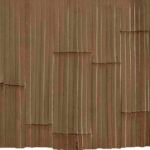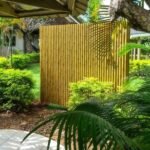
Bamboo has always been associated with warmth, nature, and tropical charm. From resort walkways to garden fences and restaurant ceilings, natural bamboo has been a popular choice for outdoor design for decades. Its organic texture and earthy tones create a relaxed, inviting atmosphere that fits perfectly into tropical and coastal environments.
However, as design standards rise and maintenance expectations change, many architects, developers, and property owners are moving away from natural bamboo. In its place, synthetic bamboo is becoming the preferred material for modern outdoor spaces.
This shift is not just about aesthetics. It is driven by durability, safety, cost efficiency, and long-term performance.
The Traditional Appeal of Natural Bamboo
Natural bamboo gained popularity because of its:
- Distinctive tropical look
- Lightweight structure
- Easy availability in many regions
- Versatility in design applications
It has been widely used in:
- Resort structures
- Pergolas and gazebos
- Outdoor fencing
- Decorative ceilings
- Garden features
While natural bamboo looks beautiful when first installed, its performance over time often becomes a concern—especially in outdoor environments.
The Real Challenges with Natural Bamboo
Natural bamboo is an organic material, which means it is constantly affected by its surroundings. Over time, exposure to weather, insects, and moisture begins to take a toll.
1. Susceptibility to Moisture and Rot
In humid or rainy climates, bamboo absorbs moisture easily. This can lead to:
- Swelling and cracking
- Surface mold and fungus
- Structural weakening
In tropical regions, these issues can appear within months of installation.
2. Insect and Termite Damage
Because bamboo is a natural fiber-based material, it attracts:
- Termites
- Beetles
- Other wood-boring insects
Even treated bamboo is not completely immune, and infestations can spread quickly if not controlled.
3. Fading and Surface Deterioration
Constant exposure to sunlight causes natural bamboo to:
- Lose its original color
- Become dry and brittle
- Develop splits and cracks
This affects both the appearance and strength of the material.
4. High Maintenance Requirements
To keep natural bamboo looking presentable, regular maintenance is necessary:
- Chemical treatments
- Re-coating or sealing
- Replacement of damaged poles
For commercial spaces like resorts and restaurants, this means recurring costs and operational interruptions.
The Rise of Synthetic Bamboo
To overcome these challenges, manufacturers have developed synthetic bamboo, designed to replicate the look of real bamboo while eliminating its weaknesses.
Synthetic bamboo is typically made from advanced polymers or composite materials that are:
- Weather-resistant
- UV-stable
- Insect-proof
- Structurally consistent
It is engineered specifically for outdoor use, making it ideal for modern architectural applications.
Key Advantages of Synthetic Bamboo
1. Resistance to Weather and Moisture
Unlike natural bamboo, synthetic versions do not absorb water. This prevents:
- Rot and decay
- Mold formation
- Structural damage from humidity
This makes it particularly suitable for coastal, tropical, and monsoon-prone regions.
2. Insect-Proof Performance
Synthetic bamboo does not contain organic fibers, so it does not attract termites or insects. This eliminates one of the biggest long-term risks associated with natural bamboo installations.
3. Long-Lasting Color and Finish
High-quality synthetic bamboo is designed with UV protection. As a result:
- Colors remain consistent for years
- Surfaces do not crack or split
- The material retains its original appearance
This ensures a neat, well-maintained look with minimal effort.
4. Lower Maintenance Costs
One of the biggest advantages is reduced upkeep. Synthetic bamboo typically requires:
- No chemical treatments
- No regular sealing
- Minimal cleaning
For commercial spaces, this translates into significant savings over time.
5. Consistent Size and Shape
Natural bamboo varies in thickness, color, and texture. Synthetic bamboo, on the other hand, is manufactured with precision, ensuring:
- Uniform appearance
- Easier installation
- Better design consistency across large projects
Popular Applications of Synthetic Bamboo
Today, synthetic bamboo is used in a wide range of outdoor and semi-outdoor spaces.
In Resorts and Hotels
- Poolside cabanas
- Walkway structures
- Decorative ceilings
- Entrance features
In Restaurants and Cafés
- Roof structures
- Feature walls
- Outdoor seating areas
- Partition screens
In Residential Spaces
- Garden fencing
- Pergolas and patios
- Balcony screens
- Outdoor décor elements
Its versatility allows designers to achieve a tropical look without worrying about long-term deterioration.
A Smart Long-Term Investment
While synthetic bamboo may have a higher initial cost compared to untreated natural bamboo, the long-term benefits are clear.
Property owners save on:
- Frequent replacements
- Pest control treatments
- Ongoing maintenance work
- Operational disruptions
Over the lifespan of the installation, synthetic bamboo often proves to be the more economical choice.
Meeting Modern Design and Safety Standards
Today’s hospitality and commercial projects must comply with stricter safety and performance requirements. Many synthetic bamboo products are:
- Fire-retardant
- Structurally reliable
- Suitable for high-traffic areas
This makes them more compatible with modern building standards than traditional bamboo.
To Sum it Up
Natural bamboo will always have its place in traditional and temporary applications. But for modern outdoor design—especially in resorts, restaurants, and high-end residential spaces—synthetic bamboo offers a more practical and durable solution.
It delivers the same tropical charm while solving the problems that have long been associated with natural bamboo. With better weather resistance, lower maintenance, and consistent appearance, it is easy to see why more designers and developers are making the switch.
In today’s outdoor architecture, the goal is not just to look natural on day one—but to stay beautiful for years to come. Synthetic bamboo makes that possible.