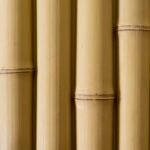
In tropical and coastal destinations, design is about more than just aesthetics. It’s about creating an atmosphere that feels relaxed, natural, and welcoming from the moment guests arrive. Bamboo has long been a favorite material for achieving this look, but traditional bamboo comes with maintenance challenges that many modern properties prefer to avoid.
This is where artificial bamboo has found its place. Designed to replicate the natural appearance of real bamboo while offering superior durability, it has become a popular choice in luxury resorts, restaurants, and outdoor commercial spaces.
From structural features to decorative accents, artificial bamboo allows designers to create tropical environments that remain beautiful year after year.
Why Artificial Bamboo Is Ideal for Hospitality Spaces
Luxury resorts and restaurants require materials that combine appearance with performance. Artificial bamboo provides:
- A natural, handcrafted look
- Resistance to moisture and insects
- Long-term color stability
- Minimal maintenance requirements
- Consistent size and finish
These qualities make it especially suitable for environments exposed to heat, rain, and humidity.
1. Pergolas and Shaded Walkways
One of the most popular uses of artificial bamboo is in pergolas and walkway structures. These spaces often serve as transition areas between villas, pools, restaurants, and gardens.
Artificial bamboo is ideal here because it:
- Maintains a natural appearance in outdoor conditions
- Does not crack or fade easily
- Requires very little upkeep
The result is a shaded pathway that feels organic and inviting without constant repairs.
2. Poolside Cabanas and Lounges
Pool areas are high-exposure zones. They face:
- Direct sunlight
- Constant moisture
- Chemical exposure from pool water
Natural bamboo often deteriorates quickly in these conditions. Artificial bamboo, on the other hand, remains stable and visually consistent.
It is commonly used in:
- Cabana frames
- Lounge structures
- Shade pavilions
This helps create a relaxed, resort-style environment that stays intact season after season.
3. Restaurant Roof Structures
Many tropical restaurants feature bamboo-inspired roofs to create a warm and casual dining atmosphere. Artificial bamboo is widely used for:
- Exposed roof frameworks
- Decorative ceiling beams
- Open-air dining structures
It provides the authentic look guests expect while offering better fire resistance and durability compared to natural bamboo.
4. Decorative Ceilings and Feature Panels
Interior and semi-outdoor ceilings are another popular application. Artificial bamboo can be used to create:
- Patterned ceiling panels
- Linear bamboo ceiling designs
- Accent features above dining areas or reception spaces
These elements add texture and depth to the space without the risks associated with organic materials.
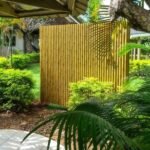
5. Outdoor Fencing and Partitions
Privacy and visual separation are important in both resorts and restaurants. Artificial bamboo fencing offers:
- A natural boundary without a heavy visual impact
- Resistance to weather and pests
- Long-term structural stability
It is often used for:
- Garden fencing
- Poolside partitions
- Restaurant seating dividers
- Private villa enclosures
This helps maintain privacy while preserving the tropical aesthetic.
6. Entrance Gateways and Feature Arches
The entrance sets the tone for the entire property. Artificial bamboo is frequently used to create:
- Grand entrance frames
- Arched gateways
- Feature structures at drop-off zones
These installations provide a strong visual identity while remaining durable in outdoor conditions.
A well-designed bamboo-inspired entrance immediately communicates warmth, relaxation, and attention to detail.
7. Landscape Accents and Garden Features
Artificial bamboo is also effective in smaller decorative elements throughout the property. These include:
- Garden edging
- Decorative screens
- Sculptural bamboo clusters
- Accent poles around pathways
These details help maintain design consistency across the resort or restaurant while adding visual interest to outdoor spaces.
Design Flexibility Across Different Spaces
One of the biggest advantages of artificial bamboo is its versatility. It can be used across multiple areas within the same property, including:
- Reception zones
- Outdoor lounges
- Dining areas
- Walkways
- Gardens and pool decks
Using a consistent material language helps create a cohesive design experience for guests.
Long-Term Benefits for Resort and Restaurant Owners
For hospitality businesses, materials must perform well over time. Artificial bamboo offers several long-term advantages:
- Reduced maintenance costs
- No termite treatments or chemical coatings
- Longer lifespan compared to natural bamboo
- Consistent appearance across large installations
These benefits make it a practical investment, especially for properties that operate year-round.
A Modern Approach to Tropical Design
Today’s luxury resorts and restaurants aim to combine natural aesthetics with modern performance standards. Artificial bamboo supports this approach by delivering the warmth of traditional materials without their limitations.
Designers can create open, tropical environments that:
- Feel authentic and inviting
- Meet safety and durability requirements
- Maintain their appearance over time
This balance is what makes artificial bamboo a preferred choice in contemporary hospitality projects.
In Conclusion
Artificial bamboo has transformed the way tropical spaces are designed. It allows architects and property owners to achieve the beauty of natural bamboo while avoiding issues like rot, insects, fading, and constant maintenance.
From pergolas and cabanas to ceilings and entrance features, its applications are wide-ranging and practical. For luxury resorts and restaurants, it offers the perfect blend of visual appeal, durability, and long-term value.
In modern hospitality design, materials must do more than look good—they must last. Artificial bamboo delivers both.