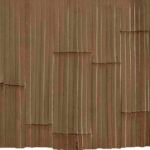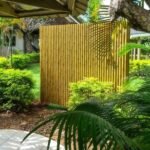
Bamboo has long been a favorite material in tropical architecture. Its natural appearance, lightweight structure, and cultural familiarity make it a popular choice for resorts, restaurants, and outdoor spaces. However, as beautiful as natural bamboo can be, it comes with limitations that become more obvious over time.
Exposure to rain, sunlight, insects, and humidity can quickly affect the performance and appearance of natural bamboo. This is why many modern projects are shifting toward artificial bamboo—a material designed to deliver the same visual appeal with far greater durability.
Understanding how artificial bamboo performs in real-world conditions helps explain why it is becoming the preferred choice for long-term outdoor applications.
The Environmental Challenges Natural Bamboo Faces
Natural bamboo is an organic material, which means it reacts directly to its environment. In outdoor conditions, especially in tropical or coastal regions, it is constantly exposed to:
- Rain and humidity
- Direct sunlight and UV rays
- Temperature fluctuations
- Termites and insects
Over time, these factors begin to affect both its appearance and structural integrity.
Common Problems with Natural Bamboo Over Time
Moisture Absorption and Rot
Bamboo absorbs moisture easily. In humid climates, this can lead to:
- Swelling and cracking
- Mold and fungal growth
- Gradual structural weakening
Once rot begins, the affected sections often need replacement.
Insect and Termite Attacks
Because it is a natural fiber-based material, bamboo attracts:
- Termites
- Beetles
- Wood-boring insects
Even treated bamboo is not completely immune, and infestations can spread to nearby structures.
Sun Damage and Fading
Continuous exposure to sunlight causes bamboo to:
- Lose its natural color
- Dry out and become brittle
- Develop splits and surface cracks
This affects both aesthetics and durability.
Shorter Lifespan
In demanding outdoor conditions, natural bamboo often requires:
- Regular chemical treatments
- Frequent repairs
- Periodic replacement
For commercial properties, this can result in ongoing costs and disruptions.
What Makes Artificial Bamboo Different
Artificial bamboo is engineered to look like natural bamboo while eliminating its weaknesses. It is typically made from high-performance polymers or composite materials designed for outdoor use.
These materials are:
- Non-porous
- UV-resistant
- Insect-proof
- Structurally consistent
This combination allows artificial bamboo to maintain its appearance and strength for years with minimal maintenance.
How Artificial Bamboo Handles Weather Conditions
Rain and Humidity Resistance
Unlike natural bamboo, artificial bamboo does not absorb water. This prevents:
- Rot and decay
- Mold growth
- Swelling or deformation
This makes it ideal for coastal areas, poolside spaces, and monsoon-prone regions.
UV and Heat Protection
High-quality artificial bamboo is manufactured with UV stabilizers. As a result:
- Colors remain stable over time
- Surfaces do not crack or dry out
- The material retains its original texture
Even under constant sun exposure, the appearance remains consistent.
Protection Against Insects and Termites
One of the biggest advantages of artificial bamboo is its resistance to pests. Since it contains no organic fibers:
- Termites are not attracted to it
- Insects cannot bore into the material
- No chemical treatments are required
This makes it especially suitable for regions where termite activity is common.
Structural Stability Over the Years
Artificial bamboo is manufactured to precise dimensions, which gives it several structural advantages:
- Uniform thickness and strength
- No natural knots or weak points
- Better load distribution in structural applications
This consistency makes installation easier and results in cleaner, more professional finishes.
Reduced Maintenance Requirements
Maintenance is one of the biggest cost factors in outdoor materials. Artificial bamboo significantly reduces upkeep needs.
Typically, it requires:
- Occasional cleaning
- No sealing or coating
- No pest control treatments
For resorts, restaurants, and commercial spaces, this means fewer interruptions and lower long-term expenses.
Lifespan Comparison: Natural vs Artificial Bamboo
While exact lifespan depends on conditions and installation quality, general comparisons show clear differences.
Natural Bamboo:
- Lifespan: 2–5 years in harsh outdoor environments
- Requires frequent maintenance
- Vulnerable to insects and moisture
Artificial Bamboo:
- Lifespan: Often 10–15 years or more
- Minimal maintenance required
- Resistant to insects, rot, and UV damage
Over time, artificial bamboo proves to be the more economical and reliable option.
Ideal Applications for Artificial Bamboo
Because of its durability, artificial bamboo is widely used in:
Hospitality Projects
- Resort walkways
- Poolside structures
- Restaurant ceilings
- Decorative partitions
Residential Spaces
- Garden pergolas
- Balcony screens
- Outdoor fencing
- Patio structures
Commercial Environments
- Theme parks
- Beach clubs
- Cafés and outdoor lounges
- Retail décor features
Its ability to handle weather and wear makes it suitable for both structural and decorative uses.
A Practical Choice for Modern Projects
Today’s projects demand materials that combine beauty with reliability. Artificial bamboo offers the natural look designers love, while meeting modern expectations for durability, safety, and cost efficiency.
For property owners, this means:
- Fewer repairs
- Lower maintenance budgets
- Consistent visual appeal
- Longer-lasting installations
Final Thoughts
Natural bamboo may have timeless charm, but it struggles to keep up with the demands of modern outdoor environments. Artificial bamboo provides a practical alternative—one that withstands rain, heat, insects, and time without losing its visual appeal.
For resorts, restaurants, and residential projects alike, it offers a balance of authentic aesthetics and dependable performance.
In the long run, the materials that last are the ones that truly define quality—and artificial bamboo is built to do exactly that.