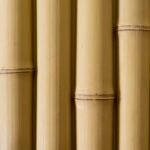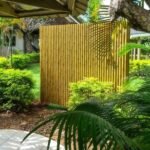
Bamboo has always been admired for its beauty, versatility, and ability to instantly transform a space with a warm, tropical feel. Whether it’s for a resort, restaurant, landscape project, or home décor, bamboo continues to be one of the most requested materials.
Today, however, buyers must choose between two options: natural bamboo and artificial bamboo. Both offer unique benefits, but they serve different needs depending on the climate, durability requirement, and aesthetic expectations.
This blog explains the differences clearly, using a mix of paragraphs, bullet points, and a simple two-column table so you can make the right decision confidently.
Understanding Both Materials
Natural Bamboo
Natural bamboo is a fast-growing, renewable plant known for its natural texture and organic beauty. It brings authenticity to interiors and traditional designs.
Artificial Bamboo
Artificial bamboo is made using high-quality polymers or fiberglass, often molded from real bamboo to replicate its texture and node pattern. Modern artificial bamboo looks incredibly realistic, lasts for years, and performs exceptionally well outdoors.
Side-by-Side Comparison Table
Below is a simple, clean two-column table comparing the most important factors:
| Natural Bamboo | Artificial Bamboo |
| 100% natural material | Synthetic, UV-stable materials |
| Needs frequent maintenance | Zero maintenance |
| Can crack, fade, or rot outdoors | Weatherproof and long-lasting |
| Attracts pests like termites | Pest-proof, mold-proof |
| Lower cost initially | Higher initial cost, better long-term value |
| Not fire-resistant | Fire-retardant options available |
| Biodegradable & renewable | Long lifespan, recyclable variants |
| Great for indoor décor | Ideal for outdoor & commercial use |
1. Durability in Different Climates
Climate is one of the biggest factors influencing the right choice of bamboo.
🌤️ Natural Bamboo
Natural bamboo performs well indoors or in dry climates but struggles in:
- Coastal regions
- Humid areas
- Monsoons
- Extreme UV exposure
It may crack, fade, attract insects, or absorb moisture that leads to mold.
🌦️ Artificial Bamboo
Artificial bamboo is engineered for all-weather usage. It stays:
- UV-stable
- Waterproof
- Colorfast
- Crack-free
This makes it excellent for resorts, outdoor restaurants, fences, gazebos, and humid or coastal locations.
✔ Verdict: If your project is outdoors or in a harsh climate, artificial bamboo is the safer, long-lasting choice.
2. Maintenance Requirements
Maintenance affects long-term cost and convenience.
Natural Bamboo Needs:
- Regular polishing
- Anti-fungal coats
- Termite control
- Annual sealing
- Replacement of cracked pieces
Artificial Bamboo Needs:
- Nothing — no cleaning, no painting, no sealing.
✔ Verdict: Artificial bamboo is a zero-maintenance solution, ideal for busy commercial spaces.
3. Aesthetic Value & Realism
Natural Bamboo
Natural bamboo provides:
- Organic imperfections
- Authentic color variations
- Traditional charm
It’s perfect for projects wanting a raw, earthy feel.
Artificial Bamboo
Modern artificial bamboo offers:
- Perfect consistency
- Hand-painted grain details
- Molds taken from real bamboo
- Options in multiple colors & textures
It blends flawlessly into high-end, luxury, modern, or theme-based designs.
✔ Verdict: Both look great, but artificial bamboo offers uniformity, which is important in hospitality and premium projects.
4. Strength & Structural Reliability
Natural Bamboo
While strong, natural bamboo weakens when:
- Continuously exposed to moisture
- Left untreated
- Attacked by pests
It is better suited for indoor décor, craft designs, or temporary installations.
Artificial Bamboo
Artificial bamboo can be reinforced with steel or fiberglass. This makes it suitable for:
- Gazebos
- Resorts
- Poolside structures
- Outdoor frames
- Commercial landscaping
✔ Verdict: For long-term structural use, artificial bamboo is the reliable option.
5. Fire & Pest Resistance
Natural Bamboo
- Highly flammable
- Attracts insects (especially termites)
- Needs pest control treatments
Artificial Bamboo
- Available in fire-resistant grades
- Pest-proof
- Moisture-proof
- Does not attract rodents or birds
✔ Verdict: Artificial bamboo is safer, especially for public structures or hotels that require high safety standards.
6. Cost & Long-Term Value
Natural Bamboo
At first glance, natural bamboo is cheaper.
But over time, the cost increases due to:
- Maintenance
- Polishing
- Pest treatment
- Replacements
Artificial Bamboo
Has a higher upfront price but:
- Lasts 10–20+ years
- No replacement
- No maintenance cost
✔ Verdict: Artificial bamboo is more economical over the long term, especially for large projects.
7. Environmental Impact
Natural Bamboo
- Renewable
- Biodegradable
- Eco-friendly
But repeated harvesting increases environmental pressure.
Artificial Bamboo
- Long lifespan reduces repeated material usage
- Many are recyclable
- Reduces the need to cut natural bamboo
- No chemical treatments required
✔ Verdict: Both are eco-friendly in different ways. Choose based on long-term sustainability goals.
Where Each Works Best
Best Uses for Natural Bamboo
- Indoor décor
- DIY projects
- Garden accents
- Wall art
- Temporary displays
- Traditional interiors
Best Uses for Artificial Bamboo
- Resorts
- Poolside structures
- Gazebos and pergolas
- Theme parks
- Outdoor lounges
- Restaurants & cafés
- Landscaping features
- Commercial interiors
Quick Decision Guide
If your project requires:
| Choose Natural Bamboo If… | Choose Artificial Bamboo If… |
| You want a pure organic look indoors | You need weatherproof outdoor materials |
| Your budget is small | You want long-term savings |
| You prefer biodegradable materials | You want fire/pest resistance |
| The project is short-term | The project is commercial or long-term |
| Indoor décor is your focus | You’re working in coastal, humid, or hot climates |
Final Thoughts
Both artificial bamboo and natural bamboo have their own charm. Natural bamboo offers authenticity and rustic beauty but requires care and works best indoors. Artificial bamboo offers longevity, consistency, zero maintenance, and superior performance outdoors.
The best choice depends on:
- Your climate
- Your budget
- Your maintenance capacity
- Indoor or outdoor use
- Safety requirements
For most modern outdoor and commercial projects, high-quality artificial bamboo is the smarter, more durable, and visually consistent choice.
Contact KHW Solutions today for a free quote and expert guidance.
KHW Solutions offers premium artificial bamboo poles and panels crafted for long-lasting beauty and performance.