Boat houses and floating structures have a unique relationship with their surroundings. Unlike conventional buildings, they are designed around water, views, movement, and outdoor living. This makes the choice of materials particularly important.
Bamboo has traditionally been associated with waterfront architecture because its natural texture and appearance fit comfortably with lakes, rivers, backwaters, and coastal environments. It can make a space feel warm, relaxed, and connected to nature.
Today, however, many boat houses and floating hospitality spaces are being designed with modern requirements in mind. Owners want attractive interiors, easier maintenance, consistent finishes, and materials that can work across different areas of a property.
This is where artificial bamboo mats offer an interesting solution.
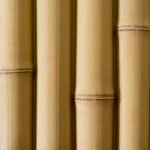
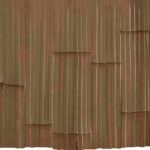
Artificial or synthetic bamboo mats can bring the visual character of traditional bamboo into modern floating structures. They can be used on ceilings, walls, partitions, balconies, restaurant interiors, reception areas, and outdoor seating spaces.
Their applications are not limited to decoration. Used thoughtfully, they can become part of the overall architectural and interior design of a boat house.
Why Artificial Bamboo Mats Work Well in Floating Structures
Floating structures experience conditions that are different from conventional buildings.
Humidity, moisture, sunlight, changing weather, water splashes, and limited space can all influence material selection. Commercial floating structures also have to withstand regular guest use and cleaning.
Natural bamboo can create a beautiful appearance, but it requires appropriate treatment and maintenance, particularly in moisture-prone environments.
Artificial bamboo mats provide a manufactured alternative that can offer a more consistent appearance and potentially easier routine maintenance in suitable applications.
Some of the reasons designers consider them include:
- Bamboo-inspired natural appearance
- Consistent texture and finish
- Versatile installation possibilities
- Suitable for different interior applications
- Useful for creating privacy without completely closing a space
- Easy to combine with timber, stone, rope, glass, and synthetic thatch
- Suitable for hospitality and commercial design concepts
The actual suitability depends on the product specification, installation method, and environmental exposure.
1. Artificial Bamboo Mats for Boat House Ceilings
Ceilings are one of the most effective places to use artificial bamboo mats.
A large plain ceiling can make a boat house interior feel cold or unfinished. Adding bamboo texture can immediately introduce warmth and create a stronger connection with the surrounding natural environment.
Artificial bamboo mats can be installed across an entire ceiling or used selectively between beams.
They can work particularly well in:
- Guest cabins
- Waterfront restaurants
- Lounge areas
- Reception spaces
- Dining rooms
- Covered outdoor decks
For a traditional look, bamboo mats can be combined with timber beams and warm lighting.
For a modern design, the same material can be used with recessed lights, simple furniture, glass, and clean architectural lines.
2. Wall Cladding and Feature Walls
Walls provide another opportunity to introduce bamboo texture.
Artificial bamboo mats can be used as wall coverings or as feature sections rather than covering every wall.
A feature wall behind a bed, reception counter, restaurant seating area, or bar can become a strong visual element without requiring extensive structural changes.
This approach is especially useful in smaller boat house interiors where adding too many materials can make the space feel crowded.
A single bamboo feature wall can provide enough texture to establish the design theme.
3. Room Dividers for Flexible Spaces
Floating structures often have limited floor space.
A single area may need to serve multiple purposes throughout the day. For example, a lounge could become a dining space in the evening, or a large guest cabin could require separation between sleeping and living areas.
Artificial bamboo mats can be incorporated into lightweight framed partitions to create visual separation.
Unlike a solid wall, a bamboo-inspired divider can maintain an open feeling while giving each area its own identity.
They can be used to separate:
- Sleeping and living areas
- Restaurant seating
- Reception and waiting spaces
- Private and public areas
- Lounge sections
- Guest cabins
4. Balcony and Deck Privacy Screens
Balconies and decks are often the most attractive areas of a boat house because they provide direct views of the water.
At the same time, guests may want some privacy.
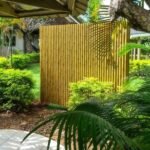
Artificial bamboo mats can be used as privacy screens along selected sections of balconies and decks.
Rather than completely blocking the view, a carefully positioned screen can create a more private seating area while maintaining the open character of the waterfront.
This can work particularly well for premium houseboats and resort-style floating accommodation.
5. Artificial Bamboo Mats for Decorative Railings
Railings are primarily functional, but they can also contribute to the visual identity of a floating structure.
Artificial bamboo mats can be incorporated into suitable railing or balustrade designs as decorative infill or screening.
This can help soften the appearance of metal or other structural elements and create a more natural visual connection with the surrounding environment.
However, railing installations require careful consideration of safety, fixing, height, load requirements, and local building regulations.
Artificial bamboo mats should not be treated as a substitute for the structural components of a railing unless the product has specifically been designed and approved for that purpose.
Instead, they can be used as decorative or screening elements within a properly engineered railing system.
6. Decorative Bamboo Panels
Not every application needs a large installation.
Artificial bamboo mats can also be used to create smaller decorative panels.
These can be placed behind:
- Beds
- Reception counters
- Restaurant counters
- Bar areas
- Seating spaces
- Display shelves
- Signage
- Artwork
Decorative panels can be particularly effective in modern boat house interiors because they add texture without overwhelming the room.
A small bamboo panel can become a visual focal point when combined with suitable lighting.
7. Restaurant Interiors
Floating restaurants depend heavily on atmosphere.
Guests are not only coming for food. They are also experiencing the location, views, architecture, and interior design.
Artificial bamboo mats can help create a relaxed waterfront dining environment.
They can be used for:
- Restaurant ceilings
- Feature walls
- Bar backdrops
- Table partitions
- Decorative columns
- Private dining sections
- Seating-area screens
A restaurant can combine bamboo mats with timber furniture, stone surfaces, warm lighting, natural fabrics, and greenery.
The result can feel natural without looking outdated.
8. Reception Areas and Entry Spaces
The reception area sets the tone for a guest’s experience.
In a floating resort or boat house hotel, a bamboo-inspired reception backdrop can immediately communicate the property’s connection with nature.
Artificial bamboo mats can be installed behind the reception desk or used as part of a branded feature wall.
The design can incorporate:
- Property logo
- Warm backlighting
- Timber framing
- Stone
- Decorative plants
- Ambient lighting
This creates an attractive arrival point without requiring a complicated architectural installation.
9. Outdoor Seating Areas
Outdoor seating is an important part of many waterfront properties.
Guests want to sit close to the water, enjoy the view, and spend time outside. Artificial bamboo mats can be used in covered seating areas to introduce texture and help define different zones.
For example, a floating restaurant could use bamboo-style screens to create semi-private dining sections.
A resort could use them around lounge seating.
A houseboat could use them as part of a shaded outdoor deck.
For exposed outdoor applications, the selected product should be specifically suitable for the expected environmental conditions. UV exposure, rain, humidity, and water contact should all be considered before installation.
10. Bamboo-Inspired Headboards in Guest Cabins
Guest cabins on floating structures often have limited space, making feature materials particularly useful.
An artificial bamboo mat can be used behind a bed as a headboard wall or decorative backdrop.
The material can be framed with timber and paired with warm lighting to create a comfortable, resort-style appearance.
This is a simple way to introduce the waterfront design theme without covering the entire room.
11. Spa and Wellness Areas
Floating resorts increasingly include wellness and relaxation spaces.
Artificial bamboo mats can complement this type of environment because bamboo textures are naturally associated with relaxation and natural surroundings.
They can be used for:
- Treatment-room partitions
- Feature walls
- Reception backdrops
- Relaxation lounges
- Privacy screens
- Decorative ceiling sections
When combined with soft lighting, neutral colours, timber, and natural textures, bamboo-inspired surfaces can create a calm atmosphere.
12. Walkways and Transitional Spaces
The spaces between rooms can also benefit from thoughtful material selection.
Covered walkways, corridors, and connecting decks can sometimes feel plain because they are primarily functional areas.
Artificial bamboo mats can be used as decorative screens along selected sections, creating visual rhythm while maintaining the open nature of the structure.
They can also help visually connect different parts of a resort or floating property.
Applications Across Different Floating Structures
Artificial bamboo mats are not limited to traditional boat houses.
They can be considered for a wide range of floating and waterfront structures.
| Floating Structure | Possible Applications |
| Houseboats | Ceilings, walls, cabins, privacy screens, decorative panels |
| Floating Restaurants | Ceilings, partitions, bar backdrops, dining screens |
| Waterfront Resorts | Reception areas, lounges, guest rooms, outdoor seating |
| Floating Cafés | Feature walls, ceilings, partitions, decorative sections |
| Lake Resorts | Cabins, decks, privacy screens, walkways |
| Riverfront Hospitality | Restaurants, lounges, reception spaces, screens |
| Coastal Resorts | Covered outdoor spaces, feature walls, decorative panels |
The appropriate application will depend on the environmental exposure and product specifications.
Combining Artificial Bamboo Mats with Other Materials
Artificial bamboo does not need to dominate the entire design.
In fact, it often looks better when combined with contrasting materials.
Timber
Timber and bamboo-inspired surfaces create a naturally warm combination that works well in traditional and resort-style interiors.
Stone
Stone adds visual weight and contrast, helping create a more premium appearance.
Synthetic Thatch
Synthetic thatch roofing and artificial bamboo mats can work together to create a complete tropical or natural-inspired design.
Rope
Rope details can reinforce a nautical or waterfront theme.
Glass
Glass keeps the interior visually connected with the water while bamboo adds warmth and texture.
Metal
Metal framing can create a contemporary contrast against the softer appearance of bamboo.
Creating Privacy Without Closing the Space
One of the most useful applications of artificial bamboo mats is privacy screening.
Floating structures often depend on open layouts and large views. Solid partitions can reduce that openness.
Bamboo screens provide an alternative.
They can create privacy around seating, dining tables, guest cabins, balconies, and relaxation areas while maintaining a lighter visual connection between spaces.
This is particularly valuable in hospitality design, where guests often want both privacy and a connection to the surrounding environment.
Artificial Bamboo Mats and Maintenance
A major reason commercial properties consider synthetic bamboo mats is maintenance.
Natural bamboo can require regular treatment and attention, especially in humid environments.
Artificial bamboo mats can offer a more consistent manufactured surface and may reduce some of the maintenance associated with natural organic materials.
However, they are not completely maintenance-free.
Waterfront properties should still have a cleaning and inspection routine. Dust, dirt, moisture deposits, and other contaminants can accumulate over time.
Maintenance may include:
- Regular dust removal
- Cleaning according to manufacturer recommendations
- Checking fixing points
- Inspecting exposed areas
- Maintaining ventilation
- Checking for trapped moisture
The actual requirements depend on the product and installation environment.
Planning the Right Application
The same artificial bamboo mat may not be appropriate for every location.
Before installation, designers and property owners should consider:
- Indoor or outdoor use
- Level of humidity
- Direct sunlight exposure
- Rain and water exposure
- Coastal or salt-air conditions
- Ventilation
- Installation method
- Cleaning requirements
- Expected level of guest contact
For example, an indoor guest cabin has very different requirements from an exposed balcony screen.
Product specifications should always be checked before making the final selection.
Why Artificial Bamboo Mats Are Becoming More Relevant
The growing use of artificial bamboo mats reflects a wider change in waterfront design.
Architects and hospitality businesses still want the warmth and character associated with natural materials, but modern properties also need materials that can work with commercial maintenance routines and contemporary architecture.
Artificial bamboo mats provide another way to achieve that balance.
They can look traditional without restricting the overall design to a traditional architectural style.
They can be used in a luxury floating restaurant, a modern houseboat, a tropical resort, or a simple lakeside retreat.
That flexibility is what makes them particularly interesting for today’s floating structures.
Final Thoughts
The applications of artificial bamboo mats in boat houses and floating structures extend far beyond simple wall coverings.
They can transform ceilings, create feature walls, divide rooms, provide privacy on balconies and decks, enhance railings, decorate reception areas, add character to restaurants, and improve the atmosphere of outdoor seating spaces.
Their real strength is flexibility.
A designer can use a small bamboo panel as an accent or develop an entire interior concept around bamboo-inspired surfaces. The material can work alongside timber, stone, synthetic thatch, rope, glass, and metal, allowing traditional waterfront character to be combined with modern architectural ideas.
For commercial properties, the consistency and potential maintenance advantages of artificial bamboo mats can also make them worth considering as an alternative to natural bamboo in suitable applications.
Whether the project is a houseboat, floating restaurant, lakeside resort, riverfront property, or coastal hospitality space, artificial bamboo mats can help create an environment that feels naturally connected to the water while meeting the practical demands of modern hospitality.
KHW Solutions Pvt. Ltd. offers artificial bamboo solutions for hospitality, resort, commercial, and architectural applications, including artificial bamboo mats, panels, poles, and strips. These products can be used across a wide range of interior and selected exterior applications to create natural-inspired waterfront environments.
For architects, interior designers, resort developers, and boat house operators looking for a versatile bamboo-inspired material, artificial bamboo mats provide a wide range of creative possibilities.