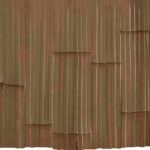
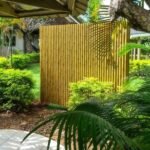
For generations, bamboo has been part of waterfront architecture. Along lakes, rivers, backwaters, and coastal regions, it has been used for roofs, walls, screens, ceilings, furniture, and countless everyday structures. There is something naturally fitting about bamboo beside water. Its texture feels warm, its appearance blends with the landscape, and it can make even a simple structure feel welcoming.
But boathouse architecture is changing.
Today’s boathouses are no longer limited to simple shelters or traditional waterfront structures. They are becoming guest accommodations, restaurants, cafés, resorts, lounges, private retreats, and commercial hospitality spaces. With that change comes a different set of expectations.
Owners want the traditional character of bamboo, but they also want materials that are easier to maintain, consistent in appearance, and suitable for modern design.
This is where artificial bamboo mats are finding a place in contemporary boathouse architecture.
Rather than replacing the traditional idea of bamboo, synthetic bamboo mats offer another way to interpret it.
The Traditional Connection Between Bamboo and Waterfront Architecture
Bamboo has always worked naturally with waterfront environments.
Its use can be seen in traditional homes, fishing structures, shelters, boats, temporary structures, and decorative elements across many parts of the world. Bamboo mats, in particular, have been used for walls, ceilings, screens, and partitions because they are lightweight and visually distinctive.
The material also creates an immediate connection with nature.
A bamboo ceiling can make a room feel cooler and more relaxed. A bamboo screen can provide privacy without creating a completely enclosed space. A bamboo wall can add texture without requiring elaborate decoration.
These qualities remain relevant today.
The difference is that modern boathouse projects have additional requirements.
The Boathouse Has Evolved
A traditional boathouse may have been designed primarily for practical use. Modern waterfront architecture often has a much broader purpose.
A single property might include:
- Guest accommodation
- Restaurant and dining areas
- Reception spaces
- Lounges
- Private seating
- Outdoor decks
- Spa or wellness areas
- Event spaces
- Retail or café areas
As the purpose of the structure changes, so does the importance of material selection.
A commercial property needs to consider appearance, maintenance, durability, cleaning, consistency, guest comfort, and long-term usability.
Natural bamboo can still play an important role, but it may not always be the easiest choice for every application.
Where Artificial Bamboo Mats Enter the Story
Artificial bamboo mats take the visual language of traditional bamboo and translate it into a manufactured material.
The idea is not to make a boathouse look completely different from traditional waterfront architecture.
Instead, it allows designers to retain familiar textures while adapting them to contemporary requirements.
A ceiling can still have the warm appearance of woven bamboo.
A wall can still have the texture associated with a traditional bamboo interior.
A privacy screen can still feel natural rather than industrial.
The difference is that the material itself is manufactured, allowing greater consistency from one installation to another.
From Handcrafted Appearance to Consistent Design
One of the characteristics that makes natural bamboo attractive is its variation.
No two pieces are exactly the same. Slight differences in colour, texture, size, and pattern can make a natural installation feel authentic.
However, those same variations can become challenging on a large commercial project.
Imagine a resort with twenty guest cabins and three restaurants. Maintaining a consistent appearance using natural bamboo mats may require careful sourcing and matching.
Artificial bamboo mats can provide a more uniform visual result.
This is particularly useful when architects and interior designers have a specific design concept that needs to be repeated across several spaces.
Consistency does not mean losing character. It simply gives designers greater control over the final appearance.
A New Role for Bamboo on the Ceiling
Traditional bamboo ceilings are one of the strongest visual elements in waterfront architecture.
Artificial bamboo mats can continue this tradition while opening up more design possibilities.
Instead of covering an entire ceiling, designers can use bamboo mats between structural beams or across selected sections.
A restaurant might have a bamboo feature above the main dining area. A guest cabin could use a bamboo ceiling to create a warmer atmosphere. A lounge could combine bamboo sections with exposed timber and modern lighting.
This creates a balance between traditional material inspiration and contemporary interior design.
Walls That Tell a Different Story
Walls are another area where artificial bamboo mats can change the appearance of a boathouse.
A plain wall can become a feature surface with the addition of a bamboo-inspired finish.
In a traditional-style resort, the material can cover larger sections of the wall.
In a modern property, it can be used more selectively behind a reception counter, bed, bar, or lounge.
This flexibility allows the same material to work with very different architectural styles.
A designer does not have to choose between traditional bamboo architecture and modern interiors. Artificial bamboo mats can help bring elements of both together.
Privacy Without Losing the Waterfront View
One of the most interesting applications is the use of bamboo mats as partitions and privacy screens.
Waterfront properties are often designed to make the most of their surroundings. Guests want views of the lake, river, sea, or backwaters.
A solid wall can block those views.
A bamboo-inspired screen provides another option.
It can separate restaurant tables, create private seating areas, divide guest spaces, or provide privacy around a lounge without making the entire area feel enclosed.
This is particularly useful in hospitality environments where privacy and openness need to work together.
Modern Hospitality Meets Traditional Character
Today’s guests often expect more than a functional room.
They want an experience.
The architecture, lighting, furniture, materials, and surroundings all contribute to how a property feels.
This is one reason traditional-inspired design remains popular in resorts and waterfront hospitality.
Artificial bamboo mats can help create that atmosphere while allowing designers to introduce modern elements around them.
For example, a contemporary boathouse could combine:
- Artificial bamboo ceiling mats
- Minimalist furniture
- Large glass openings
- Warm architectural lighting
- Natural stone
- Timber details
- Modern metal fixtures
The bamboo texture provides warmth while the other materials keep the space contemporary.
Durability and Maintenance Become More Important
The biggest change between traditional and modern boathouse architecture is not necessarily the appearance.
It is the expectations placed on the building.
A commercial boathouse may be used every day by hundreds of guests. Surfaces need to be cleaned regularly, inspected, and maintained.
Natural bamboo requires appropriate treatment and care, particularly in humid and moisture-prone environments.
Artificial bamboo mats can offer a manufactured alternative that may reduce some of the maintenance challenges associated with natural organic materials.
They are not maintenance-free, and their performance depends on their construction and intended application. However, they can be attractive for projects where consistent appearance and manageable maintenance are important.
Artificial Bamboo Mats in Humid Waterfront Environments
Humidity is a major consideration for boathouse architecture.
Buildings located beside lakes, rivers, backwaters, and coastal areas can experience prolonged moisture exposure.
The suitability of an artificial bamboo mat depends on the product specification and how it is installed.
For covered interior applications, the environmental demands may be relatively moderate. Semi-outdoor or exposed installations require greater consideration of sunlight, rain, humidity, ventilation, and water contact.
This is why material selection should always be based on the actual installation environment.
A synthetic material should not automatically be assumed to be waterproof or suitable for every outdoor condition.
A Material That Fits Different Design Styles
One of the strengths of artificial bamboo mats is their ability to adapt.
They can support several architectural directions.
Traditional Waterfront Design
Use bamboo mats with timber, synthetic thatch, rope, natural fabrics, and warm lighting.
The result can feel closely connected to traditional boathouse architecture.
Contemporary Resort Design
Use bamboo mats selectively with stone, glass, metal, and modern furniture.
The bamboo becomes a texture rather than the dominant architectural element.
Tropical Hospitality Design
Combine bamboo-inspired walls and ceilings with synthetic thatch, greenery, timber, and outdoor seating.
This works particularly well for resorts and waterfront restaurants.
Minimalist Design
Use a small amount of bamboo as a feature against clean walls and simple furniture.
This allows the natural texture to stand out without overwhelming the space.
Artificial Bamboo Mats Across a Complete Property
The transformation is not limited to individual rooms.
A resort can use artificial bamboo mats throughout the property while changing the application from one area to another.
| Area | Application |
| Reception | Feature wall or backdrop |
| Restaurant | Ceiling sections, wall coverings, or partitions |
| Guest Cabins | Ceiling or headboard feature |
| Lounge | Privacy screens or feature walls |
| Outdoor Dining | Covered ceiling or decorative screens |
| Spa | Privacy partitions and wall features |
| Walkways | Decorative screening |
| Event Areas | Ceiling features and temporary-style partitions |
This creates a visual connection between different areas without forcing the entire property into one design style.
Combining Artificial Bamboo with Synthetic Thatch
Artificial bamboo mats and synthetic thatch can complement each other particularly well.
Both materials are inspired by traditional natural architecture, but they can be incorporated into modern structures.
A boathouse could use synthetic thatch roofing on the exterior and artificial bamboo mats on the interior ceiling.
The same bamboo finish could continue onto feature walls or privacy screens.
This creates a sense of continuity between the outside and inside of the building.
For resorts and hospitality projects, that continuity can be an important part of the overall guest experience.
Why Designers Are Looking Beyond Natural Materials
Modern architecture does not necessarily mean abandoning traditional materials.
Instead, it often means rethinking how traditional design elements are used.
The visual language of bamboo remains popular because it communicates warmth, nature, relaxation, and craftsmanship.
Artificial bamboo mats allow designers to retain those associations while considering the practical demands of modern buildings.
This is particularly relevant in commercial properties where maintenance, consistency, and repeated use matter.
The goal is not to make traditional design disappear.
It is to make it work in new ways.
What Property Owners Should Consider
Before choosing artificial bamboo mats for a boathouse project, property owners should look beyond the appearance.
Important considerations include:
- Where will the mats be installed?
- Will the area be indoors, covered, semi-outdoor, or fully exposed?
- How much direct sunlight will the material receive?
- Will it be exposed to rain or water splashes?
- How humid is the location?
- What level of cleaning will be required?
- What fixing method will be used?
- Does the product specification match the environment?
- How will the material work with the existing architecture?
These questions help ensure that the material is selected for the right application rather than simply chosen for its appearance.
The Future of Boathouse Architecture
The future of waterfront architecture does not have to be a choice between traditional and modern.
There is room for both.
Traditional bamboo has an important place in the history of waterfront construction and design. Its visual qualities remain relevant, particularly in hospitality projects where creating a connection with nature is important.
Artificial bamboo mats provide another way to carry those qualities into modern architecture.
They can be used in a luxury resort just as easily as in a traditional-style houseboat. They can form part of a contemporary restaurant or a rustic lakeside retreat.
The architecture changes, but the visual connection with bamboo remains.
Final Thoughts
The story of bamboo in boathouse architecture is not ending. It is evolving.
From traditional woven mats and bamboo structures to modern hospitality interiors, the material continues to influence the way waterfront spaces are designed.
Artificial bamboo mats offer designers a way to retain the familiar visual character of bamboo while considering modern requirements such as consistency, maintenance, and long-term usability.
They can be used on ceilings, walls, partitions, reception areas, guest cabins, restaurants, lounges, and covered outdoor spaces. When combined with materials such as timber, stone, synthetic thatch, glass, metal, and warm lighting, they can support designs ranging from traditional to highly contemporary.
For resorts, houseboats, floating restaurants, and other waterfront properties, artificial bamboo mats are not simply a replacement for natural bamboo. They are another design option that allows the traditional character of bamboo to be interpreted for modern architecture.
KHW Solutions Pvt. Ltd. offers artificial bamboo solutions for hospitality, resort, commercial, and architectural applications, including artificial bamboo mats, panels, poles, and strips. These products can help architects, designers, and property owners bring bamboo-inspired textures into modern waterfront spaces.
As boathouse architecture continues to evolve, materials that combine familiar natural aesthetics with practical modern considerations will have an increasingly important role in shaping these spaces.