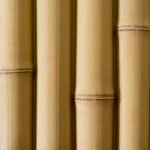
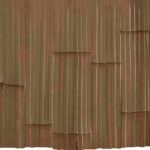
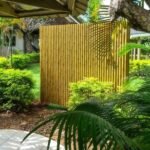
Waterfront hospitality has a character of its own. Resorts beside lakes, backwaters, rivers, and coastal areas often use natural-looking materials to create spaces that feel connected to the surrounding landscape. Bamboo, wood, stone, rope, and thatch are commonly used to bring warmth and texture into restaurants, lounges, guest areas, walkways, and outdoor spaces.
However, operating a commercial property in a waterfront environment also comes with practical challenges. High humidity, moisture, strong sunlight, rain, dust, insects, and changing weather conditions can place considerable demands on interior and exterior materials.
This is where artificial bamboo mats are becoming an interesting option for hospitality projects.
Designed to recreate the visual character of bamboo, synthetic bamboo mats can be used across a wide range of commercial applications while offering a more consistent alternative to natural bamboo mats. For resort owners, architects, interior designers, and hospitality operators, they provide an opportunity to achieve a natural-inspired appearance while also considering maintenance and long-term usability.
Why Waterfront Hospitality Properties Need Different Materials
A resort located beside a lake does not experience the same environmental conditions as a conventional hotel in an urban area.
A floating restaurant on a river or backwater can be exposed to moisture almost continuously. A coastal resort may experience humidity, salt-laden air, intense sunlight, and seasonal rain. Materials installed in these environments need to be selected with those conditions in mind.
Common challenges include:
- High humidity
- Frequent moisture exposure
- Direct sunlight and UV exposure
- Rain and seasonal weather changes
- Dust and dirt
- Insects and pests
- Algae and mould concerns
- Repeated wet and dry conditions
- Higher cleaning requirements in busy hospitality environments
Natural bamboo can certainly be used in such projects when properly selected, treated, installed, and maintained. However, the maintenance requirements can become more significant as the size of the property increases.
For a commercial resort with dozens of guest areas and common spaces, material consistency and maintenance can become important operational considerations.
What Makes Artificial Bamboo Mats Different?
Artificial bamboo mats are manufactured to reproduce the look and feel of bamboo rather than relying on natural bamboo itself.
This gives designers greater consistency when planning larger installations.
Instead of dealing with natural variations in colour, texture, dimensions, and ageing, a project can use a more uniform bamboo-inspired finish across different areas.
Depending on the product specification, artificial bamboo mats can be considered for:
- Interior ceilings
- Feature walls
- Restaurant interiors
- Privacy screens
- Reception backdrops
- Guest rooms
- Lounge areas
- Covered outdoor spaces
- Decorative partitions
- Resort pathways and common areas
The suitability of the product will depend on the intended application and environmental exposure.
A Natural Look for Modern Waterfront Resorts
One of the biggest reasons resorts use bamboo-inspired materials is visual appeal.
Waterfront properties are often designed around a relaxed, natural atmosphere. Guests expect the architecture to complement the surrounding water and landscape rather than feel completely disconnected from it.
Artificial bamboo mats can contribute to this design language.
A resort can use bamboo-style ceilings in restaurants, feature walls in reception areas, screens around private seating, and decorative sections in guest accommodation.
The material can also be combined with other natural-looking finishes to create a more complete design.
For example:
Artificial bamboo + synthetic thatch: Creates a tropical resort atmosphere.
Artificial bamboo + timber: Adds warmth and a traditional character.
Artificial bamboo + stone: Creates contrast and a more refined appearance.
Artificial bamboo + glass and metal: Introduces a contemporary waterfront style.
This flexibility makes artificial bamboo suitable for both traditional and modern resort concepts.
Artificial Bamboo Mats for Lakeside Resorts
Lakeside resorts often use open structures, cottages, restaurants, gazebos, and outdoor lounges to take advantage of the view.
Artificial bamboo mats can be incorporated into these spaces without requiring the entire structure to be built from bamboo.
A lakeside restaurant, for example, could use bamboo-style ceiling mats combined with timber beams and warm pendant lighting.
A guest lounge could use artificial bamboo screens to create separate seating areas while keeping the space visually open.
Feature walls can also be used behind reception desks, restaurant counters, or lounge seating.
The result is a natural-inspired design that fits comfortably into the landscape.
Applications in Backwater Resorts
Backwater destinations are particularly suited to bamboo-inspired architecture.
Resorts and houseboat-based hospitality businesses often use traditional materials to reflect the local environment. Bamboo mats can form part of this design language across accommodation, restaurants, reception areas, and outdoor spaces.
Artificial bamboo mats can be considered for:
- Houseboat interiors
- Resort restaurants
- Guest cabins
- Reception areas
- Waterfront lounges
- Covered walkways
- Privacy screens
- Ceiling features
For larger properties, using the same bamboo-inspired material across several areas can also help create a consistent brand identity.
Floating Restaurants and Dining Spaces
Floating restaurants have a particularly strong need to balance atmosphere with practicality.
The restaurant itself becomes part of the experience. Guests are surrounded by water, so the interior needs to reinforce that connection.
Artificial bamboo mats can be used to add texture to ceilings and walls without making the space feel overly heavy.
They can also be used for decorative partitions between dining areas.
For a premium floating restaurant, a combination of artificial bamboo, warm lighting, timber, natural fabrics, and carefully selected furniture can create a sophisticated waterfront dining environment.
The material does not have to cover every surface. In many cases, using it selectively creates a stronger visual effect.
Artificial Bamboo Privacy Screens for Resorts
Privacy is an important part of hospitality design.
Guests may want separate seating areas around a pool, restaurant, spa, lounge, or waterfront deck without completely blocking the surrounding view.
Artificial bamboo mats can be incorporated into framed privacy screens to provide visual separation while maintaining a natural appearance.
These screens can be used between:
- Restaurant tables
- Poolside seating
- Private dining areas
- Resort lounges
- Guest cabins
- Outdoor relaxation spaces
The framing material can also be matched with the overall architecture, using timber for a traditional appearance or metal for a more contemporary style.
Maintenance Considerations for Commercial Properties
Maintenance becomes increasingly important as the size of a property increases.
A small private boathouse may only require occasional maintenance. A waterfront resort, however, may have hundreds of metres of wall, ceiling, screening, and decorative surfaces.
Natural bamboo can require appropriate treatment and maintenance to retain its appearance and performance in demanding environments.
Artificial bamboo mats can provide a more consistent manufactured alternative and may reduce some of the routine maintenance associated with natural organic materials.
They still require cleaning and inspection, particularly in humid or exposed locations.
A practical maintenance routine may include:
- Removing dust and surface dirt
- Cleaning according to manufacturer recommendations
- Inspecting fixing points
- Checking for trapped moisture
- Maintaining ventilation
- Inspecting exposed installations after severe weather
- Replacing damaged sections where necessary
The exact maintenance requirements will depend on the product and installation conditions.
Better Consistency Across Large Hospitality Projects
Consistency is often overlooked when selecting decorative materials.
A resort may have a main reception building, several restaurants, guest cottages, poolside areas, conference spaces, and outdoor lounges. If the design is based around bamboo, maintaining a consistent appearance across all these areas can be difficult with natural materials.
Artificial bamboo mats can help simplify this process.
A consistent manufactured finish can be used across different areas while allowing designers to vary the application.
For example:
| Resort Area | Possible Artificial Bamboo Mat Application |
| Reception | Feature wall or backdrop |
| Restaurant | Ceiling, wall sections, or partitions |
| Guest Rooms | Headboard wall or ceiling feature |
| Poolside | Privacy screens or covered ceiling |
| Lounge | Decorative wall or room divider |
| Outdoor Dining | Covered ceiling and screening |
| Spa Area | Feature wall or privacy partition |
| Walkways | Decorative screening |
This approach allows one material to contribute to the property’s overall visual identity without making every space look identical.
Coastal Resorts and Salt-Air Environments
Coastal hospitality properties have additional considerations.
Salt-laden air, high humidity, strong sunlight, wind, and rain can all influence how materials perform over time.
Artificial bamboo mats may be suitable for selected coastal applications, but the product specification needs to match the exposure conditions.
For outdoor or semi-outdoor installations, property owners should consider:
- UV exposure
- Moisture and rain exposure
- Salt-air conditions
- Ventilation
- Cleaning requirements
- Fixing and support systems
- Manufacturer recommendations
It is important not to assume that every synthetic bamboo product is suitable for fully exposed coastal conditions.
Choosing the correct product for the environment is essential.
Why Artificial Bamboo Mats Can Be a Practical Commercial Option
For a hospitality operator, the decision is rarely based on appearance alone.
The material needs to support the property’s design concept while also fitting into its maintenance and operational requirements.
Artificial bamboo mats can offer several practical benefits:
Consistent appearance: Manufactured materials can provide a more uniform look across large areas.
Design flexibility: Mats can be incorporated into ceilings, walls, screens, partitions, and decorative installations.
Lower routine maintenance: In suitable applications, they can reduce some maintenance requirements associated with natural bamboo.
Natural-inspired aesthetics: They retain the visual character that makes bamboo popular in waterfront design.
Versatile combinations: They work with materials such as timber, stone, synthetic thatch, rope, glass, and metal.
Suitable for different hospitality settings: They can be incorporated into resorts, restaurants, lounges, houseboats, and other waterfront spaces.
These benefits make them worth considering during the early design stage rather than treating them simply as a decorative finishing material.
Artificial Bamboo Mats and Sustainable Design
Many waterfront resorts are also looking for ways to create natural-looking environments without relying entirely on organic materials.
Artificial bamboo can contribute to this approach by providing a durable, repeatable material option. However, sustainability should be evaluated across the complete product lifecycle, including manufacturing, service life, maintenance, and eventual disposal.
It is therefore better to consider artificial bamboo as one part of a broader material strategy rather than automatically describing it as an environmentally superior material.
For projects focused on responsible design, product specifications, expected service life, and the manufacturer’s material information should all be reviewed.
Designing a Complete Waterfront Hospitality Environment
Artificial bamboo mats become particularly effective when they are part of a larger design concept.
Imagine a waterfront resort with synthetic thatch roofs, artificial bamboo ceilings, timber furniture, stone pathways, warm lighting, and landscaped outdoor areas.
Each individual material contributes something different, but together they create a consistent atmosphere.
The same principle can be applied to floating restaurants.
A bamboo-inspired ceiling can establish warmth, timber furniture can reinforce the natural theme, glass can maintain views of the water, and carefully positioned lighting can create a comfortable evening environment.
The goal is not simply to make a building look traditional. It is to create a space that feels appropriate to its location while meeting modern hospitality expectations.
Choosing Artificial Bamboo Mats for a Waterfront Project
Before selecting a product, commercial property owners and designers should consider the actual conditions of the site.
Important questions include:
- Is the material being used indoors or outdoors?
- Will it receive direct sunlight?
- Will it come into contact with rain or water?
- How humid is the location?
- Is the property near the sea?
- Will guests come into direct contact with the material?
- How frequently can the property carry out maintenance?
- What installation method will be used?
- Does the product specification match the intended environment?
These questions help prevent the common mistake of selecting a material based only on appearance.
Final Thoughts
Waterfront resorts and floating restaurants need materials that work with both the environment and the guest experience. The right finish should complement the surrounding landscape while remaining practical for a busy commercial property.
Artificial bamboo mats offer a way to introduce the familiar warmth and texture of bamboo into resorts, restaurants, houseboats, lounges, guest spaces, and outdoor areas while providing a consistent manufactured alternative to natural bamboo mats.
Their versatility is one of their biggest advantages. They can be used on ceilings, walls, partitions, privacy screens, reception areas, guest cabins, and restaurant interiors, allowing designers to build a complete visual theme around a single material.
For lakeside resorts, backwater properties, riverfront hospitality businesses, floating restaurants, and coastal resorts, artificial bamboo mats can be a practical design option when selected according to the site’s environmental conditions and the manufacturer’s specifications.
KHW Solutions Pvt. Ltd. offers artificial bamboo solutions for hospitality, resort, commercial, and architectural applications, including artificial bamboo mats, panels, poles, and strips. These products can be used to create natural-inspired spaces that combine bamboo aesthetics with modern design requirements.
For a waterfront hospitality project where appearance, consistency, maintenance, and long-term usability all need to be considered, artificial bamboo mats are a material option worth exploring from the early planning stage.