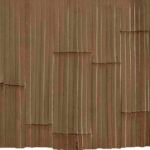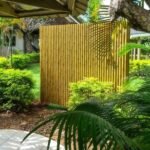
Bamboo has long been admired for its natural beauty, warm texture, and tropical appeal. In commercial interior design, bamboo-inspired aesthetics are widely used in cafés, resorts, restaurants, breweries, lounges, spas, and retail spaces to create relaxing and visually engaging environments.
However, when it comes to choosing materials for commercial interiors, many designers and business owners face an important question:
Should you use natural bamboo or artificial bamboo panels?
While natural bamboo offers an authentic organic appearance, artificial bamboo panels are increasingly becoming the preferred choice for modern commercial spaces due to their durability, consistency, and low-maintenance advantages.
This blog explores the key differences between artificial bamboo panels and natural bamboo to help you make the right decision for your project.
Why Bamboo is Popular in Commercial Interior Design
Bamboo-inspired interiors create spaces that feel:
- Warm and inviting
- Nature-inspired and relaxing
- Tropical and luxurious
- Unique and experience-driven
These qualities make bamboo a popular design choice for:
- Cafés and coffee shops
- Breweries and bars
- Resorts and hospitality spaces
- Restaurants and lounges
- Spa and wellness centers
Its texture and natural appearance instantly enhance the ambiance of a space.
What Are Artificial Bamboo Panels?
Artificial bamboo panels are decorative panels designed to replicate the appearance of real bamboo while offering improved durability and performance.
They are manufactured using modern materials engineered for:
- Long-term use
- Consistent appearance
- Resistance to moisture and damage
- Low maintenance requirements
These panels are ideal for commercial environments where durability and visual consistency are essential.
Natural Bamboo: The Traditional Option
Natural bamboo has been used for centuries in architecture and interior design.
It offers:
- Authentic organic texture
- Traditional tropical aesthetics
- Natural material appeal
However, natural bamboo also comes with several limitations—especially in high-traffic commercial applications.
Key Comparison: Artificial Bamboo Panels vs Natural Bamboo
1. Durability
Artificial Bamboo Panels
- Designed for long-term commercial use
- Resistant to cracking and splitting
- Better performance in humid environments
- Consistent structural integrity
Natural Bamboo
- Can crack or warp over time
- Sensitive to moisture and humidity
- More vulnerable to wear and tear
Winner: Artificial bamboo panels are generally more durable for commercial interiors.
2. Maintenance Requirements
Commercial spaces require materials that are easy to maintain.
Artificial Bamboo Panels
- Easy to clean
- Minimal upkeep required
- No regular treatment needed
Natural Bamboo
- Requires periodic maintenance
- Can fade or deteriorate over time
- May need sealing or treatment
Winner: Artificial bamboo panels are far more maintenance-friendly.
3. Resistance to Moisture & Humidity
Humidity is a major concern in hospitality spaces, especially in tropical or coastal environments.
Artificial Bamboo Panels
- Better resistance to moisture
- Less prone to swelling or damage
- Suitable for semi-outdoor applications
Natural Bamboo
- Can absorb moisture
- Higher risk of mold or deterioration
- Performance may reduce in humid climates
Winner: Artificial bamboo performs better in moisture-prone environments.
4. Consistency in Appearance
Consistency is important for professional commercial interiors.
Artificial Bamboo Panels
- Uniform finish and color
- Consistent sizing and texture
- Cleaner overall appearance
Natural Bamboo
- Variations in texture and color
- Irregular sizing possible
- Changes appearance over time
Winner: Artificial bamboo provides better visual consistency.
5. Pest Resistance
Natural materials can attract pests and insects.
Artificial Bamboo Panels
- Resistant to termites and pests
- No organic decay issues
Natural Bamboo
- Vulnerable to termites and insects
- Requires preventive treatment
Winner: Artificial bamboo is a safer long-term option for commercial spaces.
6. Design Flexibility
Modern commercial interiors often require customized design solutions.
Artificial Bamboo Panels
- Available in multiple styles and finishes
- Easier to integrate with modern interiors
- Suitable for themed and luxury spaces
Natural Bamboo
- Limited customization options
- More traditional appearance
Winner: Artificial bamboo offers greater design flexibility.
7. Fire & Safety Considerations
Safety is important in hospitality and commercial projects.
Artificial bamboo products may be available in different variations based on project requirements and compliance considerations, making them more adaptable for commercial applications.
Natural bamboo, being an organic material, may require additional treatment depending on usage conditions.
Best Applications for Artificial Bamboo Panels
Artificial bamboo panels work exceptionally well in:
- Feature walls
- Reception areas
- Café interiors
- Restaurant partitions
- Bar counters
- Resort-themed spaces
- Decorative ceilings
They help create a tropical ambiance while maintaining practicality for commercial use.
Combining Artificial Bamboo with Other Design Elements
Artificial bamboo panels work beautifully with:
- Synthetic thatch
- Wood textures
- Concrete finishes
- Warm lighting
- Decorative bamboo poles
This creates a balanced interior that feels both modern and nature-inspired.
Why Commercial Spaces Are Choosing Artificial Bamboo
Business owners today prioritize materials that offer:
- Long-term durability
- Low maintenance
- Consistent aesthetics
- Better performance in high-traffic environments
Artificial bamboo panels meet all these requirements while still delivering the tropical look customers love.
Design Tips for Commercial Interiors
- Use bamboo panels as accent elements instead of covering every surface
- Pair with warm lighting for better ambiance
- Combine with greenery and natural textures
- Maintain clean and uncluttered layouts
- Balance tropical aesthetics with modern finishes
A thoughtful approach creates a space that feels premium rather than overly themed.
Conclusion
Both natural bamboo and artificial bamboo panels offer unique visual appeal, but for commercial interiors, practicality matters just as much as aesthetics.
Artificial bamboo panels provide:
- Better durability
- Lower maintenance
- Improved moisture resistance
- Consistent appearance
- Greater design flexibility
For hospitality and commercial projects looking to combine tropical aesthetics with long-term performance, artificial bamboo panels are often the smarter investment.
Create Stunning Commercial Interiors with Bamboo-Inspired Design
Looking to design a hospitality or commercial space with premium tropical aesthetics?
KHW Solutions offers high-quality artificial bamboo panels, decorative poles, and synthetic thatch solutions tailored for modern interiors and themed environments.
Contact KHW Solutions today to create durable, visually striking spaces that leave a lasting impression.