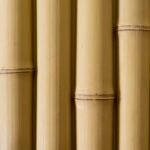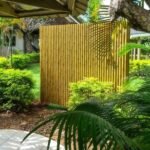
Bamboo has long been admired for its natural charm, tropical elegance, and rustic appeal. Its use in architecture — especially in roofing — evokes a sense of tradition and closeness to nature that few other materials can match. Whether it’s a beachside hut, a garden gazebo, or a luxurious resort pavilion, natural bamboo roofs have a signature look that instantly transports people to a serene, tropical escape.
But here’s the big question: In today’s world, is natural bamboo still the smartest choice for roofing? As building technologies advance, many homeowners, architects, and developers are turning to artificial bamboo shingles as a better alternative — not just for convenience, but for longevity, safety, and sustainability.
Let’s dive into why artificial bamboo shingles might be the smartest move for your next roofing project.
1. The Natural Bamboo Appeal (And Its Problems)
There’s no denying the aesthetic charm of natural bamboo. It carries a warmth and authenticity that works beautifully in both traditional and contemporary settings. Its organic shape, unique textures, and neutral tones make it an attractive option for anyone seeking a nature-inspired architectural finish.
However, the beauty of natural bamboo comes with significant challenges:
- High Maintenance: Natural bamboo requires regular upkeep. Without constant sealing and protective treatments, it can become brittle, crack, or warp.
- Weathering: Exposure to sun, rain, humidity, and extreme temperature fluctuations can cause natural bamboo to fade, split, or grow mold.
- Insect Damage: Termites and beetles are a major threat to untreated or poorly treated bamboo. Infestations can quickly weaken the structure and ruin the appearance.
- Shorter Lifespan: Even with proper maintenance, natural bamboo roofing typically lasts 3–5 years in harsh environments — and even less in coastal or tropical climates.
These problems make natural bamboo less practical for modern projects where long-term durability and low upkeep are essential.
2. What Are Artificial Bamboo Shingles?
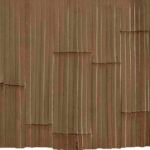
Artificial bamboo shingles are specially engineered roofing materials designed to replicate the exact look and feel of natural bamboo — without the downsides.
They are typically made from high-performance synthetic polymers or composite fibers, which are weatherproof, UV-resistant, and incredibly durable. Advanced manufacturing techniques ensure that every artificial shingle mimics the texture, shape, and color of real bamboo — often to the point that you can’t tell the difference until you touch them.
Whether you’re building a resort in a humid coastal region or installing a backyard gazebo in a temperate climate, artificial bamboo shingles offer a maintenance-free alternative that still captures the essence of bamboo’s natural beauty.
3. Key Advantages of Artificial Bamboo Shingles
- Weather Resistance
Artificial bamboo shingles are built to withstand all weather conditions — from intense sun to heavy rain and snow. They won’t crack, warp, or swell due to moisture, which makes them ideal for outdoor applications across various climates. - No Fading or Rotting
Thanks to UV-resistant coatings, these shingles maintain their color and finish for years. You won’t see the graying, streaking, or patchiness that natural bamboo develops over time. Plus, being synthetic, they don’t rot, which eliminates a major concern for humid or wet regions. - Fire-Retardant Options
Fire safety is a crucial concern, especially for commercial and hospitality projects. Many artificial bamboo shingles come with fire-retardant properties, meeting international building codes for flame resistance — something natural bamboo simply cannot guarantee. - Uniformity and Quality Control
Natural bamboo varies in size, color, and texture, which can lead to inconsistent visual results. In contrast, artificial bamboo shingles are manufactured for consistency, allowing for a clean, balanced, and professional finish every time. - Pest-Proof
Termites, carpenter ants, and beetles are a non-issue. Artificial shingles are immune to insect attacks, saving you the hassle and expense of chemical treatments and potential replacements.
4. Cost & Value Comparison
It’s true that artificial bamboo shingles may have a higher initial cost than natural bamboo — especially if you’re buying high-quality, fire-rated options. But when you break down the total cost of ownership, artificial bamboo comes out ahead.
With natural bamboo, you’ll be paying repeatedly for:
• Regular treatments and sealants
• Pest control
• Replacements due to rot or breakage
• Labor costs for upkeep
In contrast, artificial bamboo is a one-time investment. Once installed, it can last 15–30 years with minimal to no maintenance. Over time, you save significantly — not just money, but time and energy.
5. Sustainability & Eco Angle
At first glance, natural bamboo may seem more “eco-friendly.” After all, it’s a plant. But when you look deeper, artificial bamboo shingles often come out ahead in terms of sustainability.
Here’s why:
- No Deforestation or Overharvesting
High global demand for bamboo can lead to unsustainable harvesting practices, deforestation, and loss of biodiversity in some regions. Artificial bamboo eliminates that concern entirely. - Lower Resource Consumption Over Time
While natural bamboo needs frequent replacement and maintenance materials, artificial shingles last decades — reducing overall material and resource use. - Recyclability
Many artificial bamboo shingles are made from recyclable polymers and can be reused or repurposed at the end of their life cycle — aligning with circular design principles.
In essence, you get the look of nature without compromising the environment.
6. Real Use Cases
Artificial bamboo shingles are being embraced around the world in a wide range of applications:
- Resorts and Hotels: Coastal and island resorts use them to recreate tropical aesthetics without worrying about salt damage or humidity.
- Gazebos and Outdoor Kitchens: Homeowners love the maintenance-free appeal for outdoor shade structures, lounges, and garden pavilions.
- Luxury Homes: Architects and designers use artificial bamboo to add natural charm to contemporary homes while maintaining modern building standards.
- Theme Parks and Cultural Spaces: For creating authentic-looking traditional structures with strict fire and safety compliance.
Whether it’s a poolside bar, a rooftop cabana, or a jungle-themed café, artificial bamboo is helping create immersive, safe, and beautiful spaces.
Natural bamboo will always have its place in design — its beauty is timeless. But when it comes to roofing, especially in demanding environments, artificial bamboo shingles offer a smarter, safer, and more sustainable alternative.
They provide the authentic charm of bamboo, without the drawbacks of weather damage, pests, or frequent upkeep. With fire safety, long-term durability, and eco-conscious benefits, artificial bamboo roofing brings together the best of both worlds — traditional appeal and modern performance.
Find the Smart Roofing Alternative
Artificial bamboo shingles deliver lasting beauty, durability, and low-maintenance convenience — ideal for modern architecture and resort settings.
Get in touch with KHW Solutions to explore material samples, pricing, and customized solutions for your upcoming project. Let’s build something extraordinary together.