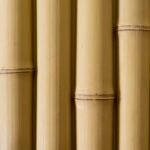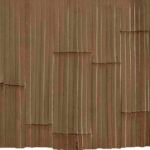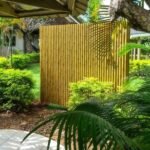
Bamboo shingles are increasingly popular for their rustic charm and tropical appeal. They’re used in everything from luxurious beach resorts to backyard gazebos and modern eco-homes. But one important question remains: How long does a bamboo shingles roof truly last?
The answer depends largely on the type of bamboo shingles you choose. Traditional natural bamboo has been around for centuries, while modern artificial bamboo shingles are engineered for performance and longevity. In this blog, we’ll compare both types to help you decide which is the better long-term investment for your home or resort.
1. Lifespan of Natural Bamboo Shingles
Natural bamboo roofing offers a beautiful, earthy look — but it comes with limitations in durability.
- Average Lifespan: 5–10 Years
In ideal conditions, natural bamboo shingles can last up to 10 years with regular maintenance. However, in humid, tropical, or coastal climates, that lifespan may drop to 3–5 years. - What Affects Durability?
- Climate: Humidity, salt air, and heavy rains accelerate wear and decay.
- Treatment: Untreated bamboo will degrade faster. Even treated bamboo requires routine sealing to survive.
- Pests and Mold: Termites, beetles, mold, and mildew can all shorten the roof’s life significantly if not managed regularly.
- Climate: Humidity, salt air, and heavy rains accelerate wear and decay.
While beautiful, natural bamboo is a high-maintenance roofing material with a relatively short lifespan — especially in harsh environments.
2. Challenges with Natural Bamboo Roofs
Natural bamboo roofing is not just short-lived — it also demands significant effort to maintain its look and structural integrity.
- Cracking and Splitting: With constant exposure to sun and moisture, bamboo shingles often crack or split over time.
- Fading and Discoloration: UV rays cause bamboo to turn gray or develop patchy discoloration unless sealed and stained regularly.
- Moss and Mildew Growth: In humid regions, bamboo easily becomes a breeding ground for mold and moss, which deteriorates both aesthetics and strength.
- Frequent Oiling and Sealing Required: Natural bamboo needs to be sealed or treated with oils every 6–12 months, which adds recurring labor and material costs.
These issues not only reduce the lifespan but also increase the lifetime cost and workload of maintaining a natural bamboo roof.
3. How Artificial Bamboo Shingles Perform
Artificial bamboo shingles are crafted from durable synthetic polymers or composite fibers designed to mimic the look and feel of natural bamboo — but without the weaknesses.
- Lifespan: 15–25+ Years
Artificial bamboo shingles typically last two to three times longer than natural bamboo. In fact, many premium synthetic shingles come with manufacturer warranties of 20+ years. - Performance Features
- UV Resistance: They don’t fade or degrade under harsh sunlight.
- Waterproof: Synthetic materials don’t absorb moisture, which eliminates mold or mildew buildup.
- No Warping or Cracking: They maintain their form and appearance through seasonal changes and extreme temperatures.
- UV Resistance: They don’t fade or degrade under harsh sunlight.
If you’re looking for a long-term roofing solution, artificial bamboo is clearly built to outlast its natural counterpart.
4. Weather Resistance Comparison
Weather plays a critical role in roofing performance. Here’s how natural and artificial bamboo shingles handle different environmental conditions:
| Climate Condition | Natural Bamboo Shingles | Artificial Bamboo Shingles |
| Heavy Rain | Absorbs moisture, may rot or mold | Water-resistant, no swelling or decay |
| High Humidity | Susceptible to mildew and moss | Mold-resistant and non-porous |
| Intense Sunlight | Fades, cracks, and dries out quickly | UV-protected, color-stable |
| Strong Winds | May loosen or break if aged | Wind-tested and durable |
Clearly, artificial bamboo outperforms natural bamboo in nearly every environmental scenario, making it more reliable for tropical, coastal, or high-sun areas.
5. Maintenance Requirements
Maintenance is where the difference becomes even more obvious.
- Natural Bamboo Roofing
- Must be cleaned, sealed, or oiled at least once or twice per year
- Prone to frequent repairs or replacements
- Requires regular inspections for termites, mold, and cracks
- Must be cleaned, sealed, or oiled at least once or twice per year
- Artificial Bamboo Roofing
- Requires occasional rinsing to remove dirt and debris
- No sealing, staining, or chemical treatment needed
- Pest-proof and mold-resistant
- Requires occasional rinsing to remove dirt and debris
If you value convenience, artificial bamboo shingles offer a nearly maintenance-free experience — a major advantage for resorts, commercial properties, or homeowners with limited time.
6. Long-Term Value and ROI
While natural bamboo may appear more affordable upfront, it becomes costlier over time due to frequent upkeep, labor, and replacement.
Let’s break down the real cost comparison:
- Initial Installation Cost
- Natural bamboo is usually cheaper initially
- Artificial bamboo may cost more due to its advanced materials
- Natural bamboo is usually cheaper initially
- Lifetime Costs
- Natural bamboo: Ongoing sealing, pest control, and partial replacements can double or triple the initial investment within 10 years
- Artificial bamboo: Higher initial cost, but virtually no recurring expenses for decades
- Natural bamboo: Ongoing sealing, pest control, and partial replacements can double or triple the initial investment within 10 years
- Value for Commercial Spaces
- For resorts, the durability of artificial shingles means fewer shutdowns for maintenance, fewer complaints from guests, and lower long-term costs
- For resorts, the durability of artificial shingles means fewer shutdowns for maintenance, fewer complaints from guests, and lower long-term costs
In short, artificial bamboo shingles offer better return on investment by reducing repair frequency and eliminating constant upkeep.
To Sum it Up
While natural bamboo shingles deliver beautiful aesthetics, they come with a shorter lifespan and heavy maintenance requirements. Cracking, fading, pest damage, and constant sealing all limit their practicality in the long run.
In contrast, artificial bamboo shingles offer long-term durability, minimal upkeep, and consistent beauty for 15–25 years or more. They’re engineered to handle the elements and designed to mimic nature — without the downsides.
If longevity, value, and ease of maintenance matter to you, artificial bamboo shingles are the smarter, future-proof roofing choice.
Plan for Longevity with the Right Roofing Solution
Looking for a long-lasting, low-maintenance alternative to traditional bamboo roofing? Our artificial bamboo shingles offer superior performance and timeless appeal.
Contact KHW Solution’s experts today to discuss your roofing needs, receive technical guidance, or request a personalized quote. We’re here to help you make the smart, sustainable choice.