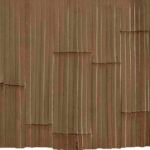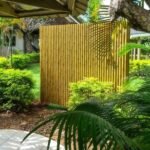
When it comes to ceiling design, bamboo is becoming a hot favorite among interior designers, architects, and even homeowners. Its natural look, earthy vibe, and warm texture make it perfect for both traditional and modern interiors. But here’s a question many people ask — Should I go for natural bamboo or artificial bamboo mats for my ceiling?
Let’s break it down for you. We’ll cover the key differences in cost, maintenance, lifespan, and appearance, so you can make the right choice for your home or commercial space.
1. Appearance — Can You Really Tell the Difference?
At first glance, natural bamboo definitely gives you that raw, organic look that feels untouched by man. It comes with natural variations, color tones, and textures. This rustic charm works great for tropical-themed spaces, resorts, or traditional cottages.
On the other hand, artificial bamboo mats are crafted to mimic the look of real bamboo, often made from synthetic materials like PVC or treated fibers. Modern manufacturing techniques have made artificial bamboo look extremely close to natural. The big plus? Uniformity.
If you’re a perfectionist who loves a clean, balanced look without too many natural imperfections, artificial bamboo mats might just win here.
Our Take:
- Go for natural bamboo if you want a rustic, raw, and authentic feel.
- Choose artificial bamboo mats if you prefer a consistent, polished appearance.
2. Cost — Which One’s Easier on Your Pocket?
Let’s be honest. Budget matters a lot in any project.
- Natural bamboo can be expensive, especially if you’re sourcing good-quality, treated bamboo. Plus, installation often requires skilled labor which can add up your costs.
- Artificial bamboo mats are generally more affordable upfront. They are produced in large quantities, so you benefit from the economies of scale. Plus, installation is often simpler and quicker.
Also, artificial mats usually come in standard panel sizes, which reduces wastage and cost.
Our Take:
- If you’re working on a tight budget or a large-scale project, artificial bamboo mats are the cost-effective choice.
- If budget is not your main concern and you value authenticity, natural bamboo might be worth the splurge.
3. Maintenance — What’s Easier to Look After?
This is where artificial bamboo mats really shine.
- Natural bamboo, while beautiful, is prone to issues like moisture damage, termites, cracking, and color fading over time. Especially in humid environments, you’ll need to treat and maintain it regularly to avoid mold and pests.
- Artificial bamboo mats are low maintenance, water-resistant, and termite-proof. You can clean them with a simple wipe-down, and they hold up well even in high-humidity or outdoor areas.
Our Take:
- If you want hassle-free maintenance, artificial bamboo is a clear winner.
- If you don’t mind regular upkeep and love the look of natural materials, natural bamboo can work — but be prepared to care for it.
4. Lifespan — Which One Lasts Longer?
Longevity is important, especially when you’re investing in ceiling décor.
- Natural bamboo, even with proper treatment, is vulnerable to environmental factors. Its lifespan can range from 5 to 10 years, depending on usage, climate, and maintenance.
- Artificial bamboo mats are designed to last 10-15 years or even more, especially if used indoors. They are resistant to weather, moisture, and pests, making them ideal for longer-term applications.
Our Take:
- For durability and peace of mind, artificial bamboo mats are a better long-term investment.
- If you’re okay with replacing or restoring materials every few years, natural bamboo adds character but may cost more over time.
5. Application — Where Does Each Work Best?
- Natural bamboo is perfect for open-air gazebos, eco-resorts, or projects where authenticity is key.
- Artificial bamboo mats work great for indoor ceilings, commercial spaces, humid areas (like spas), restaurants, and even outdoor settings where durability matters.
Our Take:
- If you’re aiming for aesthetics + durability, artificial bamboo mats offer more flexibility.
- For boutique spaces or traditional-themed projects, natural bamboo holds its own charm.
Final Thoughts — Which One Should You Pick?
There’s no right or wrong here. Both natural bamboo and artificial bamboo mats have their place in interior design.
- Go with natural bamboo if you want raw beauty, are okay with a bit of upkeep, and love the imperfections of nature.
- Pick artificial bamboo mats if you want cost-effectiveness, durability, easy maintenance, and a consistent look for your ceiling or wall designs.
FAQs on Bamboo Ceiling Applications
Q. Are artificial bamboo mats eco-friendly?
Yes, many artificial bamboo products are made from recyclable materials and designed to reduce the use of natural resources.
Q. Can I use artificial bamboo mats outdoors?
Yes! They’re perfect for semi-outdoor spaces like patios, verandahs, and gazebos — just ensure they are UV resistant.
Q. How often do I need to maintain natural bamboo ceilings?
At least once a year for treatment and cleaning to prevent damage from moisture or pests.
In Summary
Choosing between artificial bamboo mats and natural bamboo comes down to your budget, design goals, maintenance preference, and the vibe you want to create. Both can elevate your interiors when used right.
If you need help selecting the right bamboo solution for your project — whether it’s a residential space, café, or commercial building — feel free to get in touch with us.
Ready to transform your space? Contact us today for premium artificial bamboo solutions for ceilings and walls!